
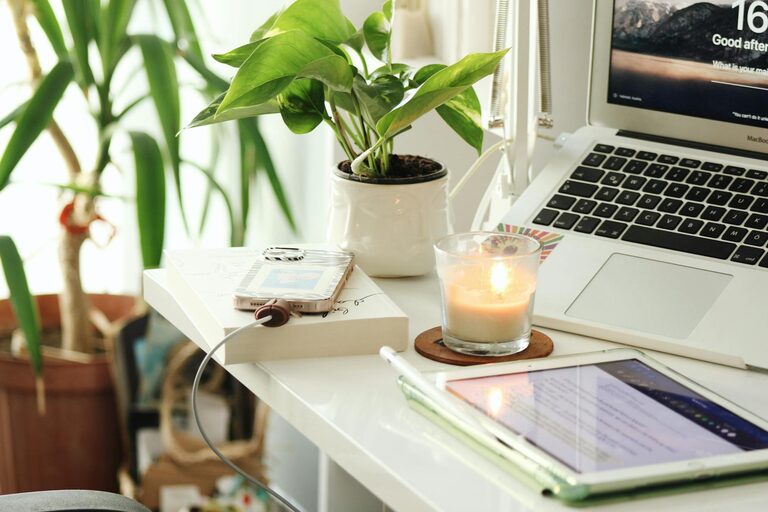
Creating a relaxing home workspace is essential for maintaining focus and reducing stress throughout your workday. Whether you work remotely full-time or occasionally find yourself working from home, your environment can significantly impact your productivity and well-being.
In this guide, we’ll explore simple yet effective tips to help you create a workspace that feels inviting, organized, and calming.
Choose the Right Location
Selecting the best spot in your home for your workspace is the first step. Ideally, pick a quiet area away from high-traffic zones to minimize distractions. If possible, choose a space with good natural light, which helps improve mood and alertness.
If space is limited, consider using a fold-away desk or a corner of a room that can be dedicated solely to your work tasks. This separation helps signal your brain that it’s time to focus when you enter that area.
Invest in Comfortable Furniture
Comfort is key in a relaxing workspace. A supportive chair that promotes good posture can prevent fatigue and discomfort, making it easier to concentrate on your tasks for longer periods.
Select a desk or table at the right height for you, and consider accessories like a footrest or wrist support if needed. Ergonomic furniture doesn’t have to be expensive—many affordable options can improve your comfort significantly.
Organize and Declutter Regularly
Keeping your workspace tidy reduces mental clutter and distractions. Use storage solutions such as shelves, cabinets, or desk organizers to keep items in their place.
Make it a habit to clear your desk at the end of each workday. This practice leaves your space looking neat and ready for the next day, which can help reduce anxiety and increase motivation.
Personalize Your Space Thoughtfully
Adding a few personal touches can make your workspace feel cozy and inviting. Consider items like plants, photos, or artwork that inspire you.
However, avoid overcrowding your desk with too many decorations, as this can become distracting. Aim for a balance—a few meaningful items that boost your mood and creativity without cluttering your area.
Manage Lighting for Comfort and Focus
Good lighting supports eye health and helps prevent headaches and strain. Utilize natural light whenever possible, but also ensure you have adjustable artificial lighting for darker hours.
A desk lamp with adjustable brightness is a helpful addition. Position your computer screen to minimize glare from windows or lights to reduce eye fatigue.
Incorporate Calming Colors and Sounds
Colors influence our feelings and mental states. Soft, neutral colors like light blues, greens, or earth tones create a calming atmosphere that can enhance focus.
Consider playing gentle background music or ambient sounds, such as white noise or nature sounds, if they help you concentrate. Avoid loud or jarring noises that may disrupt your workflow.
Set Boundaries and Break Times
A relaxing workspace also means respecting your time. Set clear boundaries for when your workday starts and ends. This routine can help you avoid burnout and maintain a healthy work-life balance.
Remember to take regular breaks to stretch, move, and rest your eyes. Short pauses improve productivity and prevent physical strain.
Add Functional Tech Accessories
Technology can support a smooth work experience when chosen wisely. Use wireless keyboards, noise-canceling headphones, or monitor stands to create an ergonomic and distraction-free setup.
Keep cables organized with clips or cable management boxes to maintain a clean appearance and avoid tripping hazards.
Keep Refreshments Handy
Having a bottle of water or a cup of tea nearby encourages hydration and helps keep energy levels steady. Avoid cluttering your desk with too many beverages or snacks, but do keep essentials close to minimize disruptions.
Final Thoughts
Creating a relaxing home workspace is about more than just aesthetics. It’s about designing an environment that supports your comfort, focus, and well-being. By implementing these simple tips, you can transform your work area into a peaceful haven that boosts productivity and helps you feel more balanced throughout your day.
Remember, small changes can make a big difference—start with one or two tips and adjust your space over time to find what works best for you.