
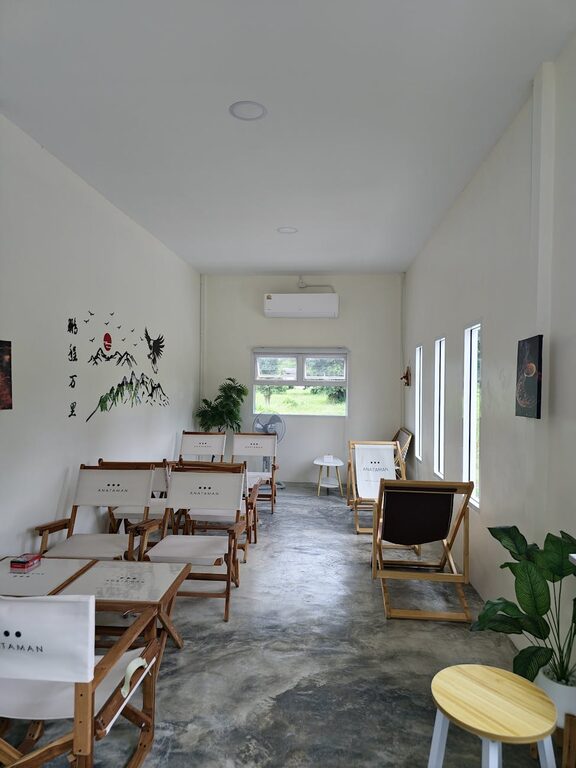
Creating a relaxing home environment is essential for rest and rejuvenation. Your living space should be a sanctuary where you feel calm, comfortable, and at ease. Fortunately, you don’t need to undertake expensive renovations or buy high-end furniture to achieve this. Small and thoughtful decor changes can make a big difference in how your home feels. In this post, we’ll explore practical tips to help you create a relaxing atmosphere with simple decor updates.
Choose Soothing Colors
Color plays a powerful role in affecting mood. Soft, muted tones tend to promote relaxation more than bright or intense colors.
– Opt for neutral shades like beige, soft gray, or creamy white.
– Add pastels such as pale blue, lavender, or sage green, known for their calming effects.
– Avoid harsh contrasts or overly vibrant colors in spaces meant for unwinding like bedrooms and living rooms.
If you’re not ready to repaint, introduce these colors through accessories like throw pillows, rugs, or curtains.
Declutter and Simplify
A cluttered space often leads to a cluttered mind. Keeping your home tidy and minimal can reduce stress and create a sense of order.
– Use storage solutions like baskets, shelves, or boxes to organize items.
– Keep surfaces clear—limit what you display to meaningful or decorative items.
– Evaluate what you really need and donate or recycle things you no longer use.
The key is to create open, clean spaces that feel breathable and inviting.
Incorporate Natural Elements
Bringing elements from nature into your home can boost relaxation and improve air quality.
– Add houseplants. They provide greenery and a calming presence and help purify the air.
– Use natural materials such as wooden furniture, woven baskets, or stone accessories.
– Bring in natural light by keeping windows unobstructed or using light, flowing curtains.
Natural textures and organic materials add warmth and grounding to your decor.
Create Comfortable Seating Zones
Comfortable furniture invites you to sit back and relax.
– Choose soft fabrics like cotton, linen, or velvet for cushions and upholstery.
– Add extra pillows and throws to sofas and chairs for a cozy vibe.
– Arrange furniture to encourage conversation and relaxation, allowing for easy movement.
Consider investing in a lounge chair or a reading nook with soft lighting for a personal retreat.
Use Lighting Mindfully
Lighting significantly affects mood and comfort in your home.
– Maximize natural daylight during the day.
– Incorporate layered lighting: ambient, task, and accent lighting to adjust the atmosphere.
– Use warm-toned bulbs to create a cozy, inviting glow.
– Install dimmers to control brightness and set the right mood.
Avoid harsh overhead lights in relaxing spaces and opt for lamps or wall sconces instead.
Add Calming Scents
A pleasant scent can instantly change how you feel in a room.
– Try essential oil diffusers with aromas like lavender, chamomile, or eucalyptus.
– Burn unscented or lightly scented candles for warmth and gentle fragrance.
– Use fresh flowers or herbs such as rosemary or mint to add natural scents.
Be mindful of any allergies or sensitivities and keep scents subtle.
Personalize with Meaningful Accessories
Decor that reflects your personality and brings joy helps create a comforting environment.
– Display artwork or photographs that inspire calm and happiness.
– Incorporate books, souvenirs, or crafts that have positive associations.
– Choose décor that feels authentic to you without overcrowding the space.
Balancing personal touches with simplicity ensures your home is both relaxing and uniquely yours.
Maintain a Consistent Style
Keeping a consistent style throughout your home can promote harmony and reduce visual chaos.
– Stick to a few complementary colors and materials.
– Choose furniture and accessories that share a common theme whether modern, rustic, bohemian, or minimalist.
– Avoid mixing too many styles which can feel cluttered or overwhelming.
Consistency helps your home feel cohesive and thoughtfully designed.
—
Final Thoughts
Transforming your home into a relaxing sanctuary doesn’t require drastic actions. By focusing on soothing colors, decluttering, incorporating natural elements, and making small updates to lighting and accessories, you can create a peaceful space that supports your well-being. Take your time to personalize and enjoy the process; a relaxing home is truly a place where you can recharge and feel at peace.