Creating a dedicated home office space can be a game-changer for your work-from-home routine. When designed thoughtfully, your workspace can enhance productivity while keeping you comfortable and motivated throughout the day. Whether you have a small corner or an entire room to dedicate, these tips will help you craft a cozy and efficient home office tailored to your needs.
1. Choose the Right Location
Selecting the right spot in your home is the first step in creating an effective office space. Consider the following:
– Natural Light: A location near a window can improve mood and reduce eye strain.
– Privacy: Choose a quiet area where interruptions are minimal.
– Space Availability: Ensure there is enough room for your desk, chair, and any necessary equipment.
If space is tight, a corner in a living room or bedroom can still be transformed into a productive nook with the right setup.
2. Invest in Comfortable Furniture
Your office furniture plays a crucial role in both comfort and productivity.
– Ergonomic Chair: Choose a chair that supports your back and encourages good posture.
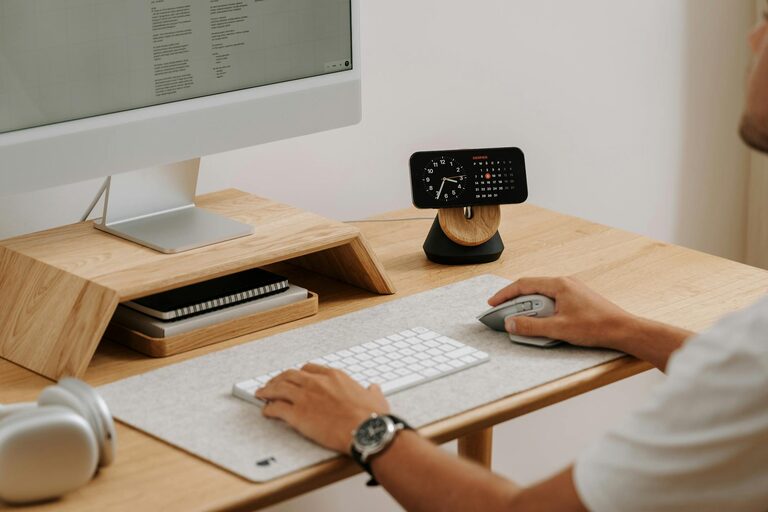
– Functional Desk: Select a desk with enough surface area to hold your computer, notebooks, and other essentials.
– Adjustable Features: Consider a desk or chair with adjustable height settings to suit your body and tasks.
Remember, comfort helps reduce fatigue and keeps you focused longer.
3. Optimize Lighting
Lighting affects how well you can concentrate and how comfortable you feel while working.
– Layered Lighting: Use a combination of natural light, overhead lights, and task lighting.
– Desk Lamp: A good desk lamp can brighten your workspace and reduce glare.
– Avoid Screen Glare: Position your monitor to prevent reflections from windows or lights.
Soft, warm lighting can also contribute to a cozy atmosphere without straining your eyes.
4. Personalize Your Space
Adding personal touches can make your home office feel inviting and inspiring.
– Artwork and Photos: Hang prints or photos that motivate or relax you.
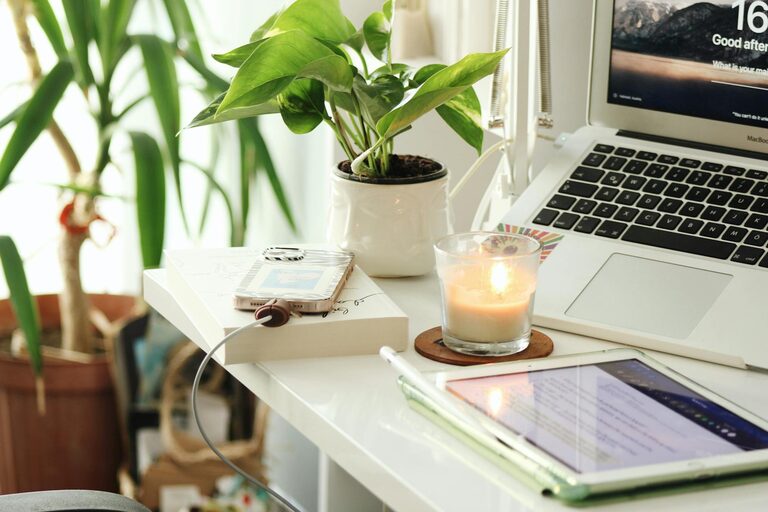
– Plants: Incorporate greenery, which can improve air quality and elevate your mood.
– Color Scheme: Choose colors that energize or soothe you, such as light blues, greens, or neutrals.
Personalization helps balance professionalism with comfort, making your workspace a place you want to spend time in.
5. Organize and Declutter
A clutter-free space encourages focus and reduces stress.
– Storage Solutions: Use shelves, filing cabinets, or baskets to keep documents and supplies organized.
– Cable Management: Use clips or tubing to tidy up wires and cables.
– Daily Clean-Up: Spend a few minutes at the end of each day clearing your desk and putting items away.
Keeping your office neat can improve efficiency and help maintain a calm environment.
6. Use Technology Wisely
Technology can support your productivity, but it should be managed thoughtfully.
– Reliable Internet: Ensure your connection is stable to avoid work interruptions.
– Necessary Gadgets: Equip your office with the right tools, such as a printer, headphones, or a second monitor.
– Minimize Distractions: Use apps or settings that reduce notifications or block distracting websites during work hours.
Choosing technology that fits your workflow can make tasks easier and smoother.
7. Create Boundaries Between Work and Home Life
Maintaining a clear distinction between work and relaxation helps you stay focused and unwind after hours.
– Defined Workspace: Reserve your office area exclusively for work-related activities.
– Routine: Establish set work hours and break times.
– Visual Cues: For example, closing the office door or using a room divider can signal the start or end of work.
These habits help you maintain balance and prevent burnout.
8. Add Comfort Elements
Small comforts can make your home office more pleasant.
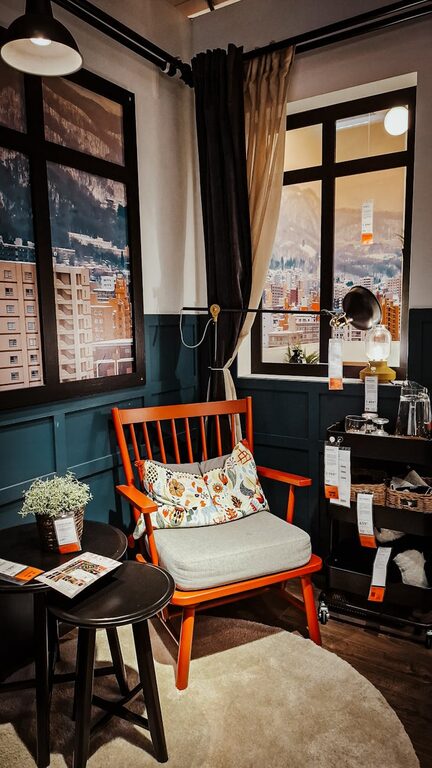
– Cozy Textiles: Use a soft rug, cushions, or a throw blanket to add warmth.
– Temperature Control: A fan or heater can keep your space comfortable, regardless of the season.
– Healthy Snacks and Water: Keep a water bottle and some snacks nearby to stay hydrated and energized.
A comfortable environment supports sustained focus and well-being.
Conclusion
Designing a cozy and productive home office is all about balancing function with comfort. By carefully choosing your location, investing in ergonomic furniture, optimizing lighting, personalizing your space, and staying organized, you can create an environment that supports your best work. Remember that your home office is your personal workspace, so tailor it to fit your habits and preferences. With a little planning and creativity, you can build a space that makes working from home both enjoyable and efficient.